If you’ve ever been inspired by the energy of a gym, the motivation of a personal trainer, or the impact of structured fitness coaching — becoming a Fitness Instructor could be your first big step into a rewarding and fast-growing industry.
But what does it really take to qualify? In the UK, fitness instruction isn’t just about passion for exercise; it’s about achieving the right diploma course, understanding industry standards, and developing practical competencies backed by science.
This guide breaks down exactly what’s involved in becoming a fitness instructor, the qualification pathways, and how you can build a professional career through accredited routes like Level 2 and Level 3 Fitness Qualifications.
What Does a Fitness Instructor Do?
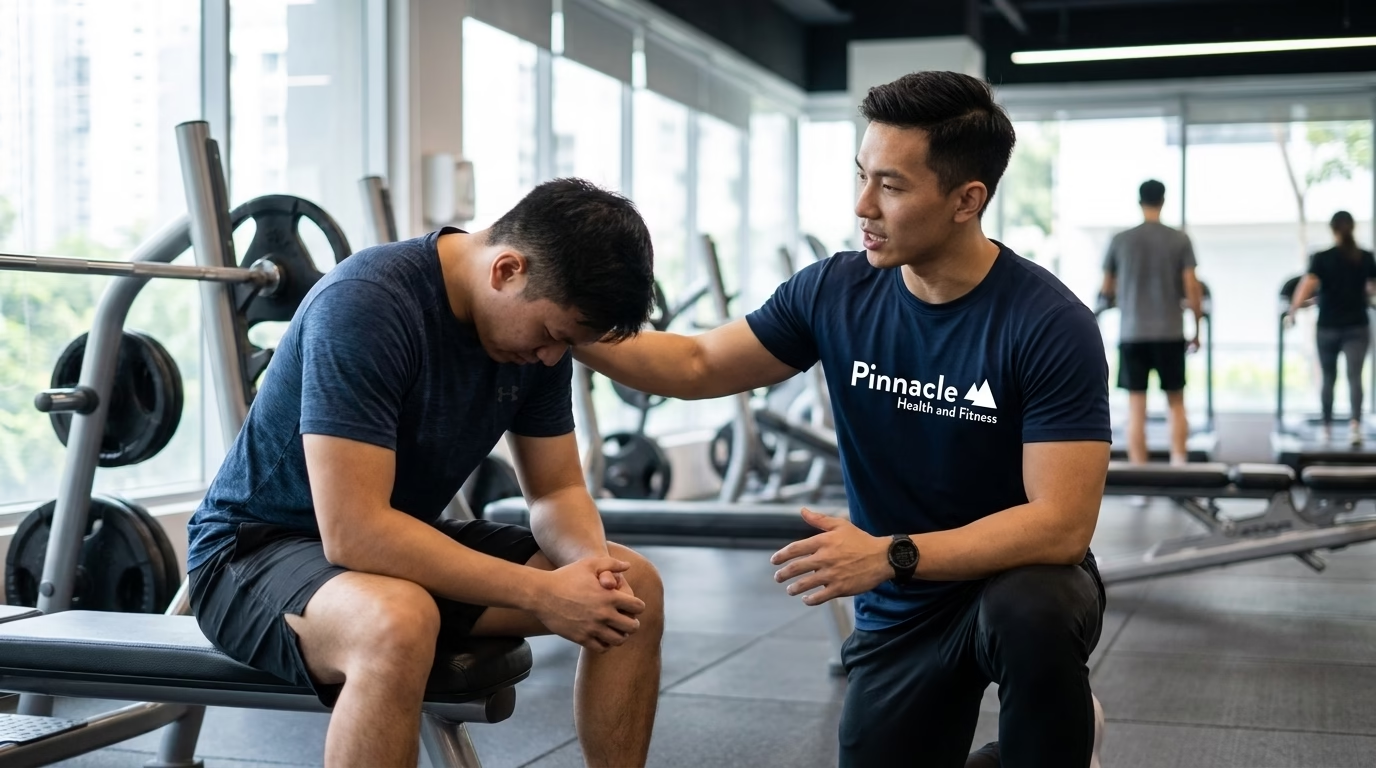
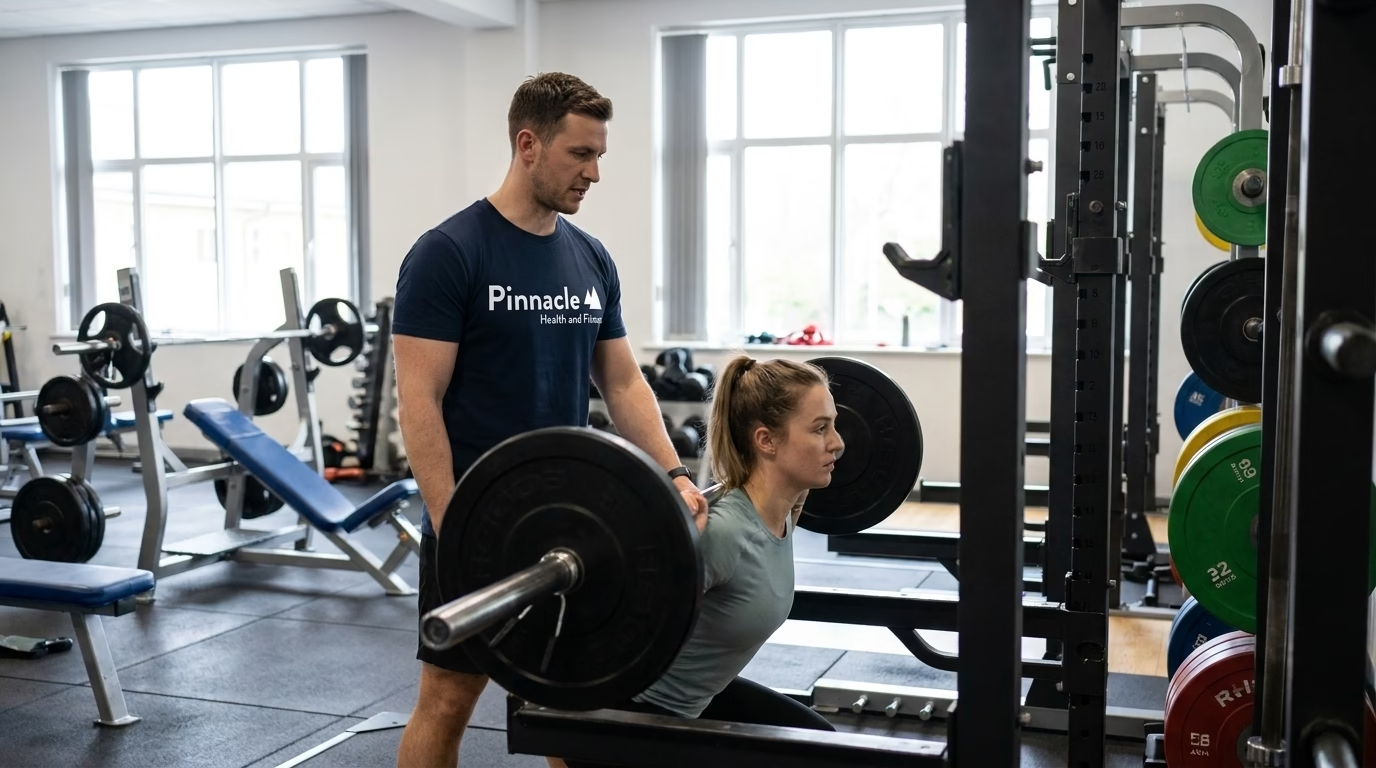
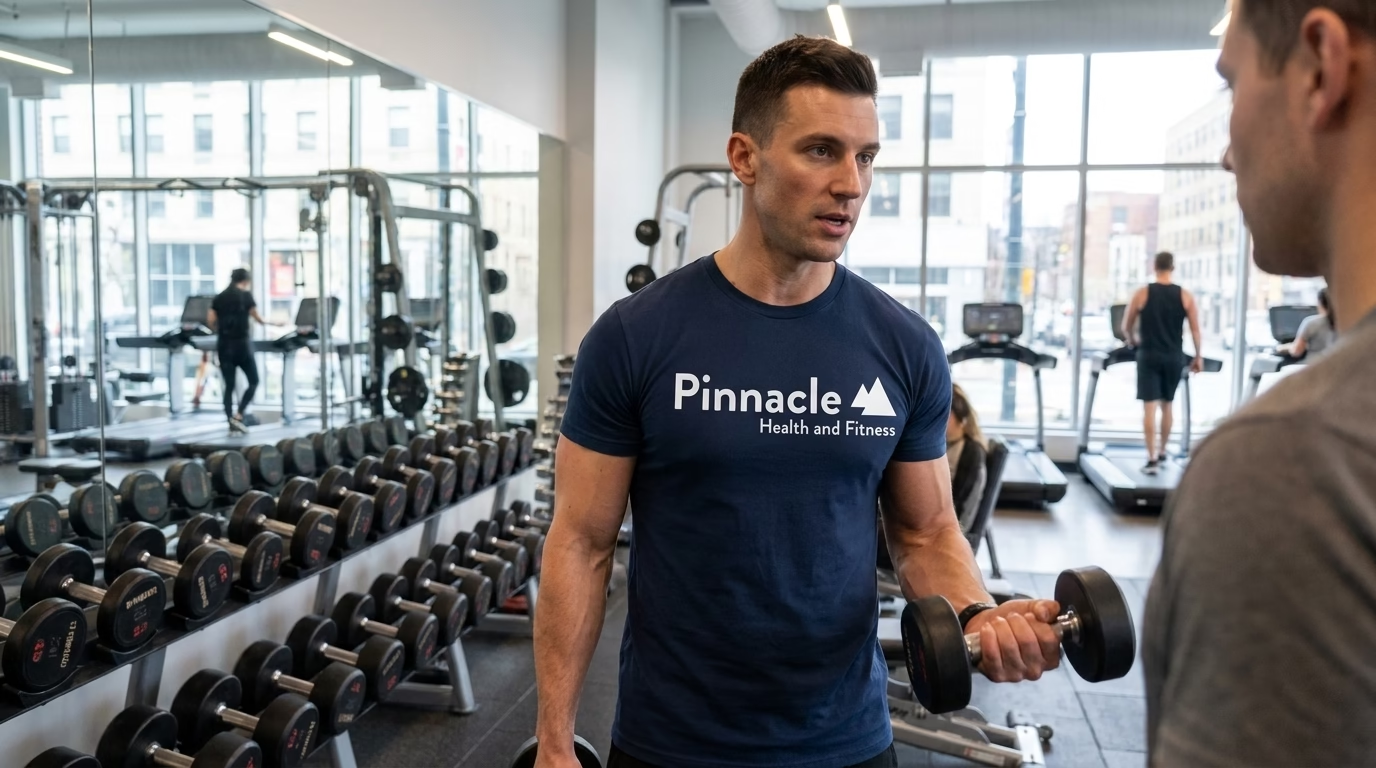
A Fitness Instructor is the frontline professional in any gym, leisure centre, or health club. They guide members through workouts, ensure equipment safety, and motivate clients to reach their health goals.
Core Responsibilities:
- Conduct fitness inductions and assessments
- Demonstrate correct exercise techniques and form
- Design and deliver group sessions (e.g., circuit training, HIIT, or cardio classes)
- Monitor member progress and adapt programs
- Maintain gym safety, hygiene, and compliance standards
Fitness Instructors work under the supervision of senior trainers or managers — but their role is crucial for ensuring clients train effectively and safely.
Step 1: Start with the Level 2 Fitness Instructor Qualification
The Level 2 Gym Instructing (or Fitness Instructing) is the entry-level qualification regulated by Ofqual and recognised by CIMSPA (Chartered Institute for the Management of Sport and Physical Activity).
Entry Requirements
- Minimum age: 16 years
- No previous fitness qualifications required
- Basic English and numeracy skills
Course Content
The Level 2 qualification provides foundational technical and scientific knowledge. Typical units include:
- Anatomy and Physiology for Exercise
- Principles of Health and Fitness
- Planning and Delivering Gym-Based Exercise
- Health, Safety, and Customer Care in a Fitness Environment
You’ll learn to design structured workouts, adapt exercises for different abilities, and apply key fitness principles safely.
Assessment Process
Assessments usually include:
- Multiple-choice theory exams
- Practical demonstrations in a gym setting
- A portfolio of evidence (lesson plans, evaluations, etc.)
Once completed, you can register as a qualified Fitness Instructor with CIMSPA and start working in gyms or health clubs.
Step 2: Advance to Level 3 Personal Trainer Qualification
While Level 2 lets you instruct, Level 3 takes you to independent professional status. It qualifies you to design personalised training programmes, perform client consultations, and manage your own client base.
Entry Requirement
You must have completed the Level 2 Fitness Instructor qualification.
Key Learning Modules
- Advanced Anatomy and Physiology
- Principles of Nutrition and Weight Management
- Lifestyle and Health Assessment
- Programming and Delivering Personal Training
- Behaviour Change and Client Motivation
This level deepens your understanding of exercise science and client management — and is essential for anyone looking to become a Personal Trainer or Health Coach.
Career Outcomes
- Self-employed Personal Trainer
- Group Fitness Coach
- Online Fitness Professional
- Specialisation in Strength & Conditioning or Rehabilitation
Step 3: Choose Your Specialisation (Optional Level 4 Progression)
Once you have your Level 3 qualification, you can specialise further through Level 4 courses, which focus on advanced populations or specialist fitness areas.
Examples include:
- Exercise Referral for Medical Conditions
- Obesity and Diabetes Management
- Lower Back Pain Specialist Training
- Strength & Conditioning (S&C)
Level 4 qualifications are ideal for professionals aiming to work in clinical fitness, rehabilitation, or athletic performance settings.
Step 4: Gain Practical Experience
Classroom knowledge is only half of your development. To truly stand out:
- Shadow experienced trainers in a gym environment.
- Work with diverse client groups to understand different training needs.
- Build communication and coaching skills — the human side of fitness is just as vital as technical skill.
Most employers value hands-on experience just as much as formal qualifications.
Step 5: Register with Professional Bodies
To enhance your credibility and employability, register with recognised organisations such as:
- CIMSPA – UK’s chartered professional body for the sports and physical activity sector
- REPs (Register of Exercise Professionals) – a national register (now integrated into CIMSPA) that verifies your credentials and professional standing
This demonstrates that you meet national standards for safety, ethics, and competency.
Step 6: Keep Learning — Continuing Professional Development (CPD)
The fitness industry evolves constantly with new training methods, technologies, and research. That’s why CPD (Continuing Professional Development) is crucial.
You can take CPD courses in areas like:
- Kettlebell Training
- HIIT Programming
- Functional Movement
- Mobility and Injury Prevention
- Online Coaching and Digital Fitness
These learning courses sharpen your expertise and also make your profile more competitive.
Career Outlook and Salary Range
According to the National Careers Service, entry-level fitness instructors typically earn £17,000–£27,000 per year, while experienced instructors and personal trainers can make £25,000–£40,000+, depending on location, clientele, and employment type.
Self-employed trainers often earn more through private sessions, online coaching, or fitness retreats.
With health awareness and gym memberships on the rise across the UK, demand for qualified instructors continues to grow steadily.
FAQs
In Summary
Becoming a fitness instructor involves more than passion—it’s about education, accreditation, and experience.
By starting with a Level 2 qualification, progressing to Level 3, and continually developing your skills through CPD, you build not just a career but a professional identity in the health and fitness industry.
At Pinnacle Health & Fitness, we believe that every great trainer starts with a strong foundation—and the right qualification pathway.