Choosing where to begin — or grow — your fitness career is one of the most practical decisions you will make after qualifying. Do you go for the structure and stability of a leisure centre, or the commercial buzz of a private gym? Both pathways offer real opportunities, but they suit very different working styles, ambitions, and lifestyle preferences.
At Pinnacle Health and Fitness, we support our learners through every stage of their career journey, from the first day of study right through to landing their first role and building a client base. Part of that support means helping you understand the landscape you are stepping into — so you can make an informed decision about where you want to work.
This guide breaks down everything you need to know about working in leisure centres versus private gyms, so you can align your career move with the right environment from the start.
Understanding the Two Environments
What Is a Leisure Centre?
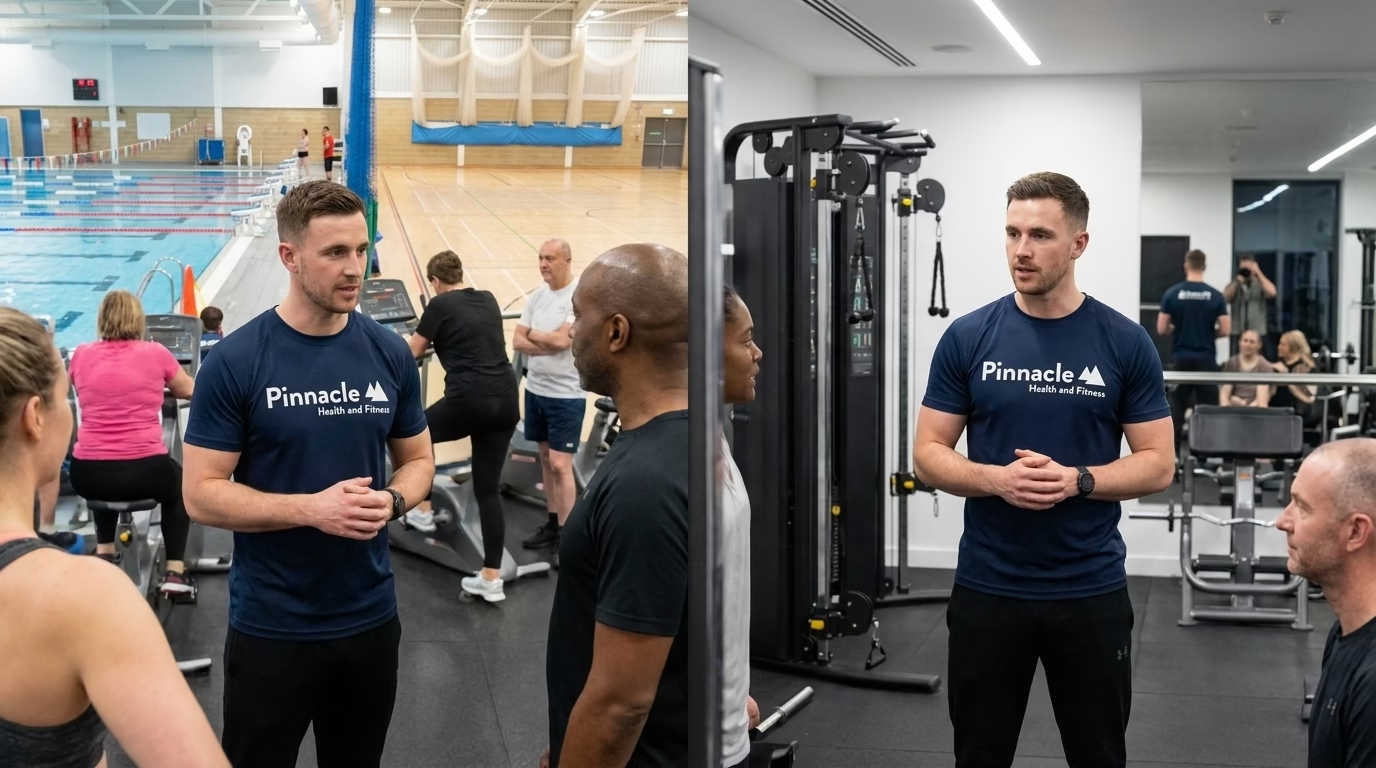
Leisure centres are typically owned and operated by local councils or large management companies such as Everyone Active, Places Leisure, or GLL (Better). They serve wide, mixed communities and usually offer a broad range of facilities including swimming pools, sports halls, group fitness studios, and gym floors.
As a fitness professional in a leisure centre, you are likely to work across multiple areas of the facility, supporting a diverse range of users — from older adults on rehabilitation programmes to young people using the gym for the first time.
What Is a Private Gym?
Private gyms operate as commercial businesses, generating revenue primarily through membership fees and personal training services. They range from large national chains such as PureGym and David Lloyd to boutique studios focused on specific disciplines like strength training, HIIT, or cycling.
The environment is often more performance-driven, with a client base that tends to have clearer fitness goals and greater purchasing power. For personal trainers building a client base, private gyms can offer excellent commercial conditions.
Career Progression: Following the Journey
Whether you start in a leisure centre or a private gym, the career framework remains consistent:
What changes is the speed, the environment, and the route.
Progression in Leisure Centres
Leisure centres tend to offer more structured progression. A newly qualified gym instructor can move through roles such as senior instructor, fitness manager, facility manager, or even regional roles within larger organisations.
For those interested in specialising, leisure centres also offer opportunities to develop skills in group exercise, swimming instruction, or disability-inclusive fitness — areas that align well with our upcoming Strength and Conditioning and Applied Nutrition pathways at Pinnacle Health and Fitness.
Progression in Private Gyms
In private gyms, progression is often entrepreneurial. You grow by building your reputation, expanding your client list, and potentially moving into specialist services. Many personal trainers eventually move into online coaching, group training, or launching their own studios.
For those who complete the Level 3 Diploma in Personal Training with Pinnacle Health and Fitness, the private gym environment offers a direct route to putting those advanced programming and coaching skills into practice with motivated clients.
Day-to-Day Working Life
Life in a Leisure Centre
Expect variety. A typical day in a leisure centre might involve running inductions for new members, supporting gym-floor users, delivering exercise referral sessions, and covering group fitness classes. The pace can be intense during peak hours, and you will regularly work with people who have little prior gym experience.
This environment is ideal for gym instructors who enjoy community connection and are developing their confidence working with diverse populations. If you have recently completed the Level 2 Diploma in Gym Instruction, a leisure centre role gives you excellent exposure across every area of practical gym work.
Life in a Private Gym
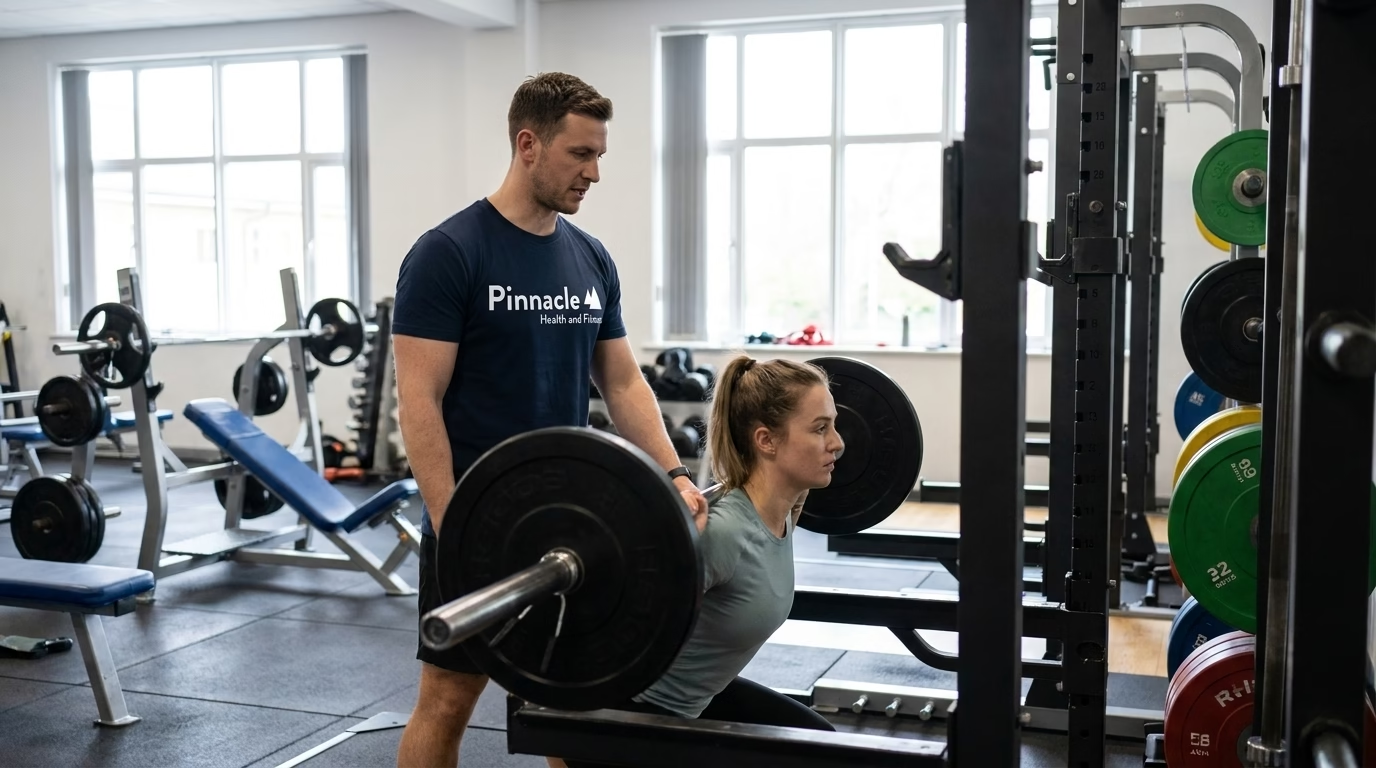
Private gym roles — particularly self-employed PT positions — demand strong organisational and client management skills. Your income depends on consistent client retention, so communication, results delivery, and personal marketing matter as much as technical knowledge.
You will spend more time programming, coaching, and developing individual plans. The client base is often more goal-specific, which allows you to apply the advanced coaching techniques covered in our Level 3 Diploma in Personal Training from day one.
Employed vs Self-Employed: A Key Distinction
Most leisure centre roles are employed positions. Most personal trainer roles in private gyms are self-employed. This distinction affects everything from how you pay tax, to your entitlement to holiday pay, to how you structure your working week.
If you want the predictability of a salary and structured employment benefits, a leisure centre role is likely the better fit. If you are motivated by income potential and enjoy running your own schedule, the self-employed route through a private gym may suit you better — particularly once you have completed the Diploma in Fitness Instructing and Personal Training and built a solid qualification base.
For a deeper breakdown of this topic, see our related guide on employed versus self-employed fitness instructors.
Culture and Working Environment
Leisure Centre Culture
Leisure centres tend to have team-based cultures. You are part of a wider operational team, with regular staff meetings, shift coordination, and shared responsibility for facility safety and customer experience. This suits people who thrive in collaborative environments and value workplace community.
Management structures are usually clear, and there is often access to internal training and CPD support — particularly in larger organisations. CIMSPA-aligned employers will expect their staff to maintain professional development, which aligns directly with the standards we embed across all Pinnacle Health and Fitness qualifications.
Private Gym Culture
Private gyms — especially premium ones — are often performance-orientated environments. There is an expectation that trainers will be visibly active, commercially engaged, and continually delivering results for their clients. The culture can be motivating and energising, but it can also feel competitive, particularly in early career stages when you are still building your reputation.
Boutique studios, in particular, tend to cultivate strong brand identities and communities. If you specialise in a specific discipline, this environment allows you to position yourself as an expert in that area — which is where our forthcoming Strength and Conditioning and Applied Nutrition programmes will give Pinnacle Health and Fitness learners a distinct edge.
Which Is Better for New Qualifiers?
There is no single correct answer — but there are clear patterns.
If you have just completed a gym instructor qualification and are in the early stages of your career, a leisure centre role can provide invaluable foundational experience. You will work with a range of people, build confidence in gym-floor management, and develop the kind of practical breadth that strengthens your long-term career.
If you have completed both the Level 2 and Level 3 pathway — either as separate qualifications or through the Diploma in Fitness Instructing and Personal Training — and you are ready to build a client base independently, a private gym may give you better conditions to grow quickly.
Many fitness professionals start in leisure centres and move into private gym work as they gain experience, confidence, and specialist skills. The pathway is rarely linear, and that is exactly why we build flexibility into our 16-week blended delivery model at Pinnacle Health and Fitness.
The Qualification Foundation Matters
Whichever setting you choose, employers and gym operators will want to see that your qualification comes from a credible source. Always choose a course from an accredited awarding body — such as YMCA Awards — that maps to national standards.
At Pinnacle Health and Fitness, our qualifications are accredited through YMCA Awards and mapped to CIMSPA professional standards. This means the credentials our learners earn are recognised across both leisure centre networks and the private gym sector — giving you maximum flexibility when it comes to where you work.
Our 16-week blended delivery model combines online learning, live webinars, and practical workshops. Most learners complete the full qualification in around 16 weeks, but we understand every learner is different, so our delivery is flexible and adaptable to suit your personal schedule, experience, and pace.
Looking Ahead: Future Pathways
As the fitness industry continues to evolve, the professionals who specialise and continue developing their skills will be best placed to succeed — regardless of whether they work in leisure centres or private gyms.
At Pinnacle Health and Fitness, we are expanding our course portfolio in 2026 to include Strength and Conditioning and Applied Nutrition — two of the fastest-growing areas of demand across both sectors. These pathways will allow our learners to move from qualification into genuine specialism, supporting the final stages of the Start → Qualify → Progress → Specialise → Build a Client Base journey.
Ready to Take the First Step?
Explore our YMCA Awards accredited qualifications at Pinnacle Health and Fitness and find the right pathway for your career.
Frequently Asked Questions
Not necessarily. The core qualifications — Level 2 Gym Instructor and Level 3 Personal Trainer — are recognised across both environments. However, some leisure centres may require additional qualifications such as exercise referral or disability awareness, while private gyms increasingly value specialist skills. At Pinnacle Health and Fitness, our qualifications are accredited through YMCA Awards and mapped to CIMSPA standards, making them suitable for both sectors.
Absolutely. Many fitness professionals work in both settings at different points in their career. Leisure centres are excellent for building foundational experience, while private gyms offer greater earning potential as you develop your client base. Your YMCA Awards qualification from Pinnacle Health and Fitness will be recognised in both environments.
It depends on your priorities. Employed roles in leisure centres offer stability, benefits, and a clear management structure. Self-employed positions in private gyms offer greater income potential and flexibility, but require strong client retention and business management skills. Our blog on employed versus self-employed fitness instructors covers this topic in more detail.
Most learners complete the full qualification in around 16 weeks through our blended delivery model, which combines online learning, live webinars, and practical workshops. We understand every learner is different, so our delivery is flexible and adaptable to suit your personal schedule, experience, and pace.
Yes. Our team is on hand to help you identify the right starting point based on your goals, experience, and the type of environment you want to work in. Whether you are starting with the Level 2 Diploma in Gym Instruction, progressing to the Level 3 Diploma in Personal Training, or taking the combined Diploma in Fitness Instructing and Personal Training, we will guide you through every step of the journey.