
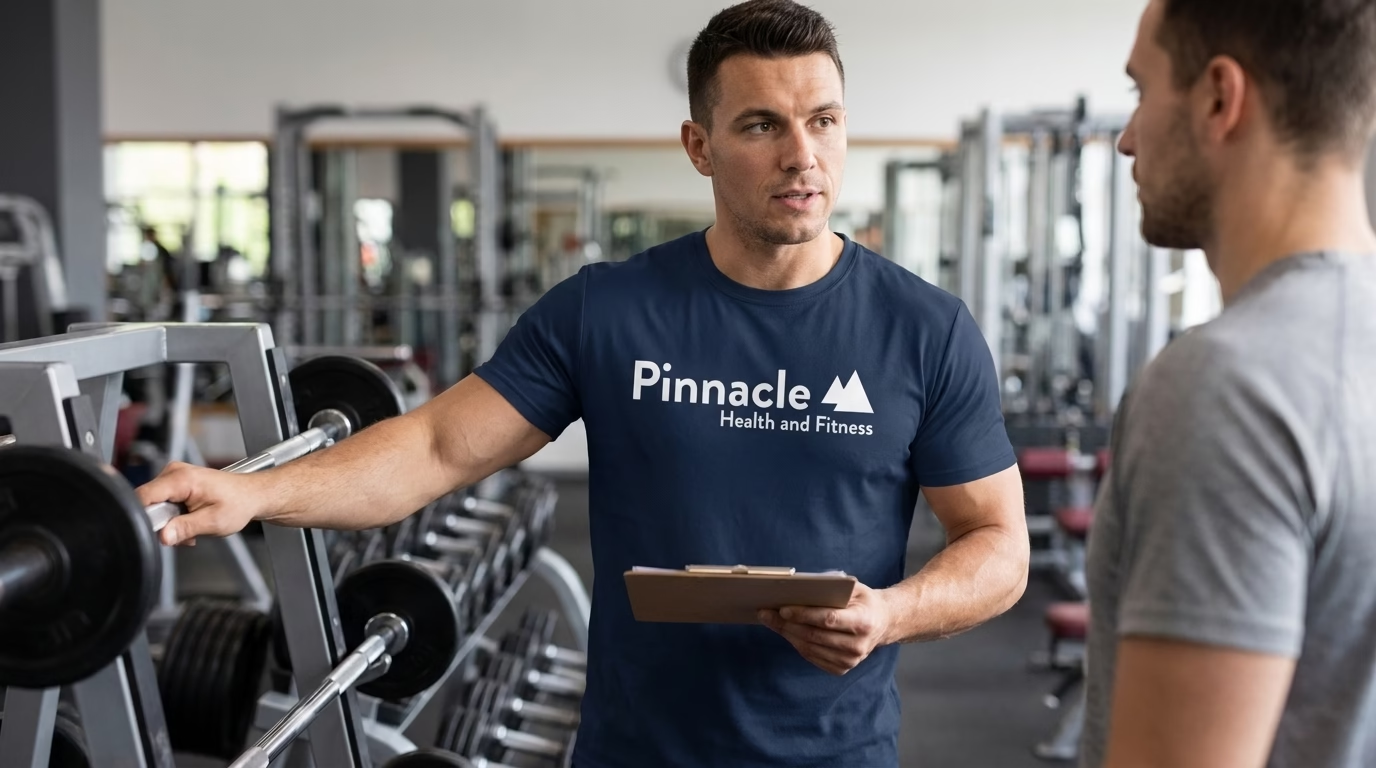
Choosing the right fitness instructor course can feel confusing—certificates, regulators, acronyms, and plenty of options online.
At Pinnacle Health and Fitness, our mission is to guide future trainers toward credible, career-building qualifications that align with UK professional standards. This guide will help you make a confident choice, understand the practical things to check, and show you how to spot trustworthy providers (including what to expect from Pinnacle Health and Fitness courses).
Start with your goal (who you want to teach)
The first filter is simple: what do you want to do after qualification?
If you want to teach gym floor sessions and assist members, a Level 2 Diploma in Gym Instruction is the usual starting point. If you want to design programmes and work one-to-one as a PT, aim for Level 3 Personal Trainer or a combined pathway.
Providers in the UK typically map their courses to CIMSPA professional standards — a sign the qualification fits industry expectations. (See Pinnacle Health and Fitness course listings and CIMSPA mapping.)
Accreditation and recognition matter
Always choose a course from an accredited awarding body — such as YMCA Awards — that maps to national standards.
Accreditation matters because employers and insurance providers prefer recognised qualifications. It simplifies your marketing, boosts your credibility, and makes employers more likely to hire you.
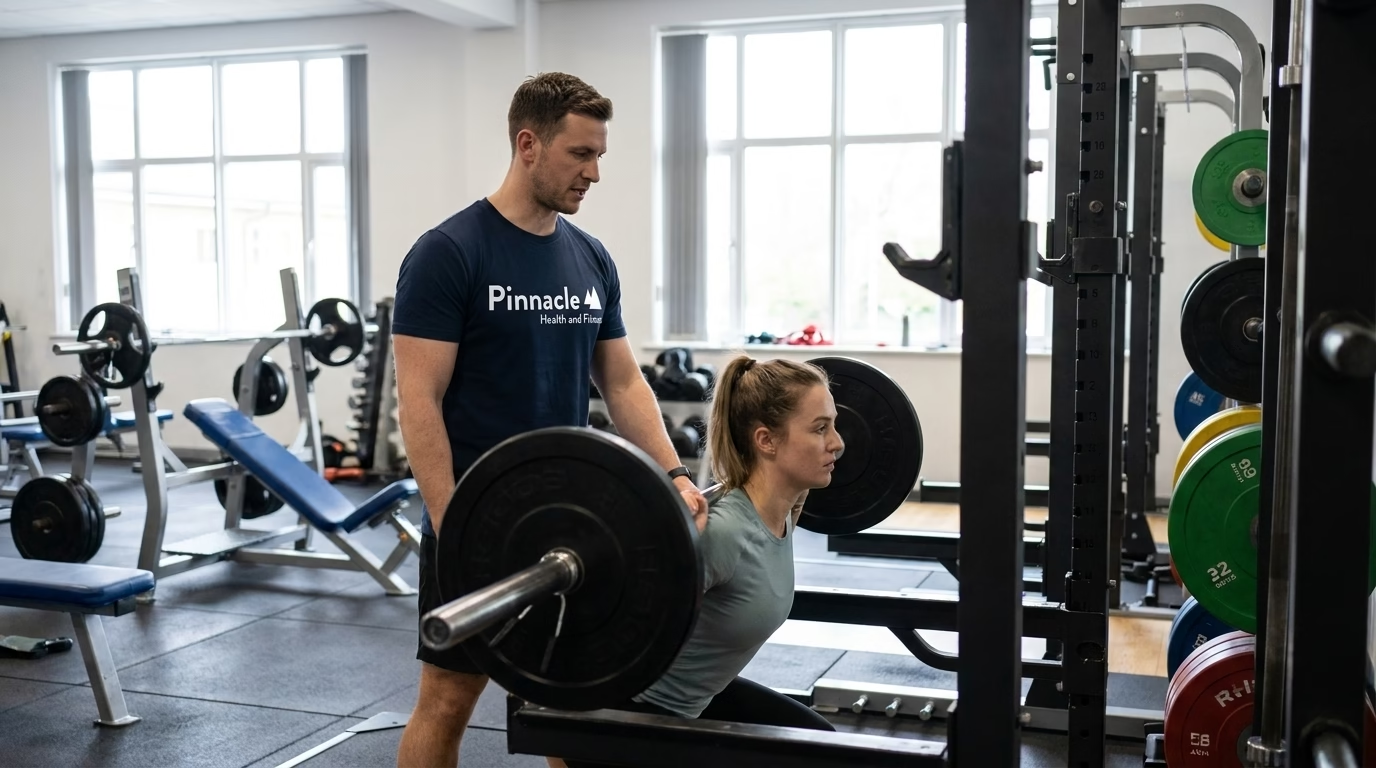
Online flexibility is fantastic, but ensure your chosen provider includes practical assessments and observed sessions so you graduate ready to work confidently in real gyms.
Look beyond the certificate — what the syllabus covers
Top courses cover:
- Anatomy & physiology (practical, applied)
- Programme design and progression
- Client assessment and screening (including PAR-Q/medical considerations)
- Practical teaching and cueing skills
- Emergency procedures (CPR/AED) and safeguarding
Tutor quality and practical support
A certificate is only as useful as the tutor who helps you understand and apply the material. Look for providers who list tutor experience, provide practical observation, and offer career support (portfolio checking, interview prep).
Read learner testimonials but prioritise evidence of tutor qualifications and how much one-to-one feedback you’ll receive. Pinnacle Health and Fitness, for example, highlights tutor-led practicals and learner support in their course pages.
Delivery format: online, blended, or classroom?
Each has pros and cons:
- Online—flexible; useful if you’re working. Check how they assess practical skills.
- Blended—often the best compromise: theory online + scheduled in-person practicals.
- Face-to-face—intensive and great for hands-on learners.
If you need fast entry into the industry, blended options let you keep a job while completing practical assessments.
Cost, time and CPD
Compare not just course fees but what’s included: practical assessment fees, certification costs, and membership to professional bodies.
Also check how long the course will realistically take given your schedule. Good providers offer CPD pathways so you can develop specialisms (strength & conditioning, older adults, pre/postnatal, etc.).
Insurance and employment readiness
After certification you’ll need professional liability insurance to teach commercially. Some employers also require DBS checks for working with vulnerable groups.
Confirm with the provider whether they prepare you for CVs, interviews and teaching a mock session — these are strong signs they care about your employability.
Why UK context and audience matter (stats & demand)
It’s an encouraging time to enter fitness in the UK. Sport England’s Active Lives survey reports a record high of adults meeting the Government’s physical activity guidelines 63.7% of adults achieved 150+ minutes per week,which equates to around 30 million adults taking part in physical activity weekly.
That growth creates demand for qualified instructors across gyms, studios and community programmes.
Media trends also show that sports and fitness content remains hugely popular across UK broadcast and digital platforms — meaning opportunities for online coaching, social media engagement, and class marketing are growing fast.
Quick decision checklist
- Does the course map to CIMSPA / recognised awarding body?
- Are practical assessments included and how are they observed?
- Is CPR/AED included or required?
- Who are the tutors and what practical experience do they have?
- What post-course support (insurance advice, CV help, job boards) is offered?
- Can you evidence learner success (case studies, employment stats)?
Recommended next steps
- Decide your target role (gym instructor vs personal trainer).
- Shortlist 2–3 providers (include local options and reputable online/blended providers like Pinnacle Health and Fitness).
- Ask each provider about practical assessment days, tutor CVs, CPD options, and exam/registration fees.
- Keep CPR/AED current and start building a small portfolio (video of you teaching, reflective logs, client case studies).
Popular Fitness Course FAQs
Final note
Choosing a fitness instructor course is an investment in your career, confidence, and ability to change lives.
At Pinnacle Health and Fitness, we help you focus on what truly matters — accredited qualifications, hands-on teaching time, and post-course career support that turns your certification into opportunity.
Explore our Level 2 Gym Instructor Course and Level 3 Personal Trainer Course today and start building your future as a certified fitness professional.
Ready to take the next step?
Start comparing CIMSPA-accredited Level 2 and Level 3 fitness courses today.
Visit Pinnacle Health and Fitness to explore our accredited YMCA Awards qualifications.
Really enjoyed reading this , it’s clear, honest, and gets straight to the point about what actually matters when choosing a fitness qualification. A lot of people, like me, feel really overwhelmed by all the options out there, but this explains it simply, from accreditation and tutor quality to practical assessments and support. Solid advice and a great read for anyone thinking about getting qualified.
Really solid article thanks! It’s clear, practical and genuinely helpful for anyone trying to figure out the right fitness qualification.
I’ve been researching fitness courses for weeks, and this is the first guide that actually explains things clearly — really helpful!