So, you’ve decided to turn your love for fitness into a career—brilliant move! But now comes the tricky question: should you become a fitness instructor or a personal trainer?
Both help people reach their health goals, but they do it differently. Think of a fitness instructor as the upbeat team leader on the gym floor, while a personal trainer is more like a one-to-one coach crafting bespoke fitness journeys.
Choosing between them is a bit like deciding whether you want to lead a group workout or focus on a single client’s transformation.
This guide breaks down the key differences between the two career paths, the diplomas required in the UK, and how to choose the one that fits your goals.
What Is a Fitness Instructor?
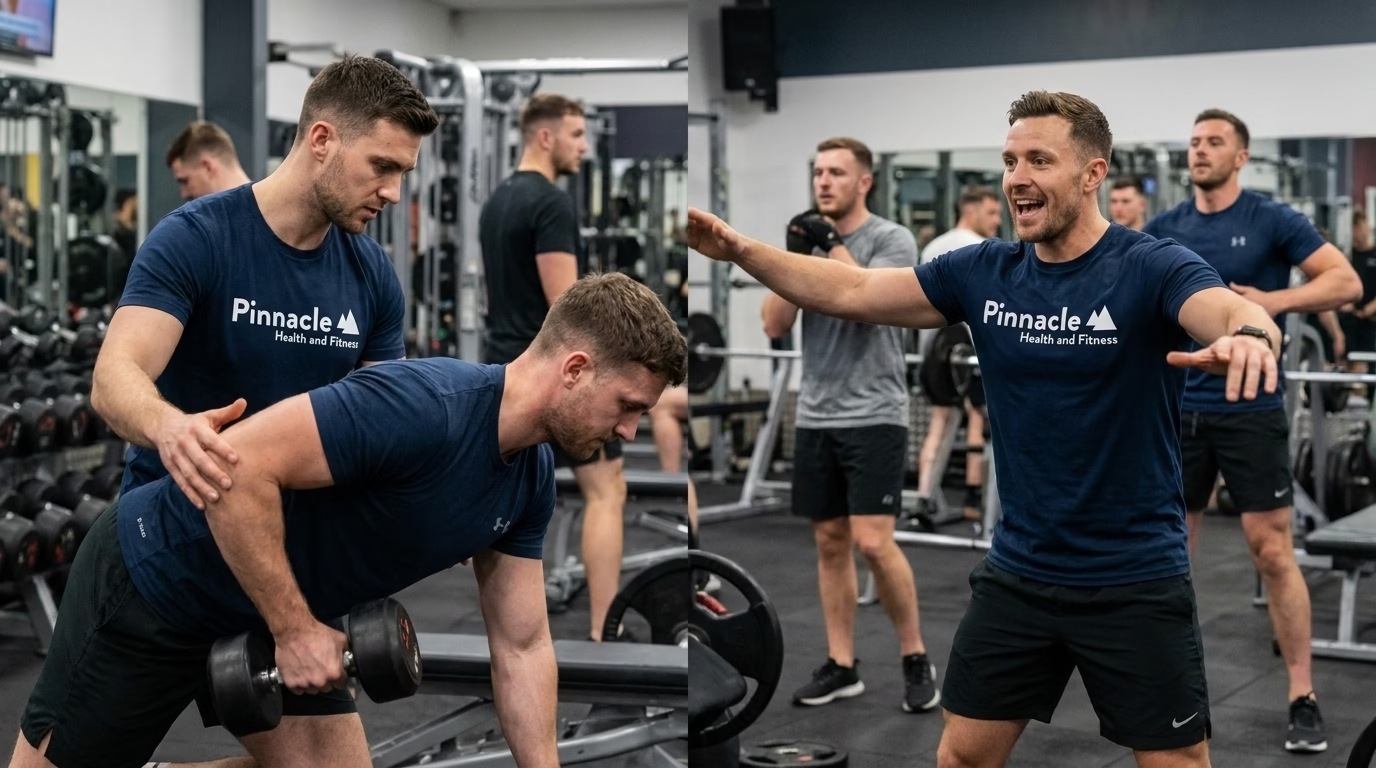
A fitness instructor (or gym instructor) is often the first friendly face you meet in a gym. They help members get comfortable using equipment, ensure workouts are safe, and may even lead group classes like circuits or spin.
In the UK, this is an entry-level role, perfect for newcomers to the fitness industry. You’ll need a Level 2 Diploma in Fitness Instructing (Gym Instruction) to get started.
The best part? You don’t need previous experience – just enthusiasm, communication skills, and a passion for helping others.
The Level 2 diploma covers:
- Anatomy and physiology
- Health, safety, and welfare in a fitness environment
- Principles of exercise and fitness
- How to lead safe, effective workouts
Once qualified, most fitness instructors are employed by gyms or leisure centres, often with stable hours and a steady income. Your duties might include:
- Inducting new members
- Supervising gym users
- Demonstrating correct equipment use
- Maintaining hygiene and safety standards
- Running small group sessions
It’s a hands-on, people-facing job that suits energetic, friendly personalities. And no, you don’t need to be a bodybuilder! It’s about teaching safely, communicating clearly, and keeping gym-goers motivated.
What Is a Personal Trainer?
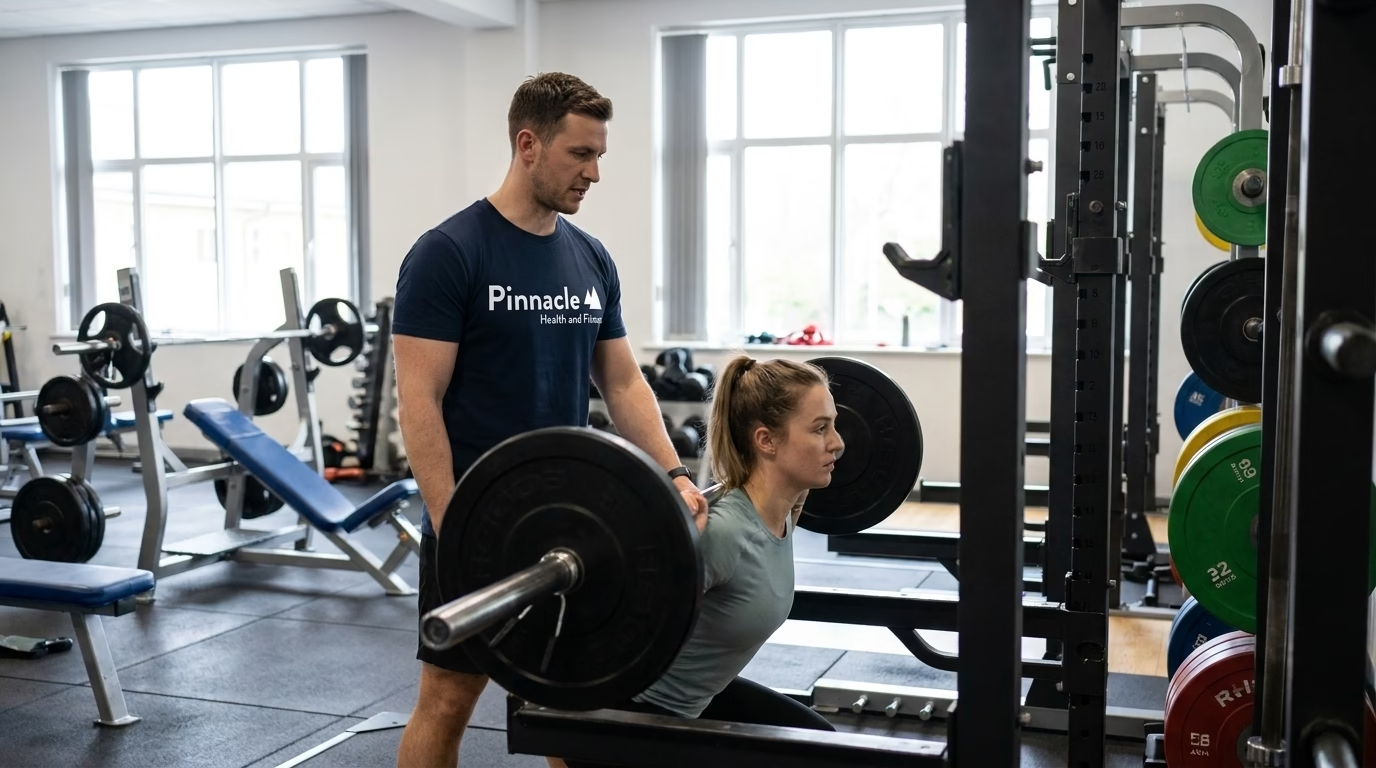
A personal trainer (PT) takes things to the next level. PTs work one-on-one (or with small groups) to design custom training programmes for clients aiming to lose weight, build muscle, or improve athletic performance. They’re fitness strategists and motivators rolled into one.
To work as a PT in the UK, you’ll need the Level 3 Diploma in Personal Training – which requires completing the Level 2 diploma first. This qualification dives deeper into:
- Advanced anatomy and physiology
- Client assessments and goal setting
- Tailored programme design
- Nutrition and healthy eating
- Business and marketing skills
PTs often work freelance or self-employed, renting gym space or training clients in homes, parks, or online.
The flexibility is amazing – you choose your hours and clients – but it also means managing your own business, from marketing to client bookings.
If you love the idea of being someone’s personal fitness cheerleader, crafting bespoke plans, and celebrating every milestone, personal training could be your dream career.
And yes, the earning potential is higher, especially as your reputation grows.
Quick Comparison: Fitness Instructor vs Personal Trainer
|
Feature |
Fitness Instructor (Level 2 Diploma) |
Personal Trainer (Level 3 Diploma) |
|
Qualification |
Level 2 Diploma in Fitness Instructing – covers gym safety, exercise techniques, and customer service. |
Level 3 Diploma in Personal Training – advanced course on anatomy, bespoke programming, and business skills. |
|
Client Focus |
Supports gym members and groups; offers general guidance. |
Works one-on-one; tailors plans to each client’s goals. |
|
Typical Duties |
Conduct inductions, demonstrate exercises, ensure safety, and possibly lead classes. |
Perform assessments, design and adapt programmes, and provide nutritional guidance. |
|
Work Setting |
Usually employed by gyms or leisure centres on set shifts. |
Often freelance or self-employed; may train clients anywhere. |
|
Skills Needed |
Communication, organisation, and broad fitness knowledge. |
Deep anatomy knowledge, motivation, and relationship-building. |
|
Nutrition Role |
Offers general healthy-living advice. |
Provides nutritional guidance aligned with UK standards. |
|
Career Path |
Great entry-level role; can progress to PT via Level 3. |
Advanced, specialist role; can branch into areas like sports conditioning or nutrition. |
|
Average Salary |
Around £28,000 per year (steady pay). |
Around £29,000 average, but top PTs can earn much more. |
Both roles begin with a diploma, but Level 3 digs deeper into personalisation and business skills – ideal if you want to work independently.
Choosing the Right Path for You
Still torn? Here are a few ways to decide which path fits your personality and goals:
1. Team Player or Solo Coach?
If you thrive on teamwork and love the social buzz of a gym, fitness instructing may be your calling. But if you prefer building close client relationships and running your own show, personal training gives you that independence.
2. Stability or Flexibility?
Fitness instructors enjoy structured hours and predictable pay. Personal trainers, on the other hand, often manage their own clients and schedule. More flexibility, yes – but also more responsibility.
3. Teaching Style
Instructors lead groups and offer general guidance; PTs dive into individual coaching. Ask yourself: do you get energy from leading a class or from helping one person achieve their dream transformation?
4. Long-Term Goals
Many fitness instructors start with a Level 2 diploma, gain experience, and later upgrade to Level 3 to become PTs. It’s a natural progression – and you can combine both roles.
Pro tip: Training providers like Pinnacle Health & Fitness offer Advanced Diploma packages that combine both Level 2 and Level 3 courses.
This “two-in-one” route means you can start working sooner as a fitness instructor, then transition smoothly into personal training without extra downtime. It’s the best of both worlds!
5. Enjoyment Factor
Ultimately, the right choice is the one that excites you. If you love the idea of helping groups, chatting with gym-goers, and keeping the energy high, become a fitness instructor.
But if you’re more driven by helping individuals achieve personal milestones and love custom planning, go for personal training.
The UK fitness industry is booming, and demand for qualified professionals is rising. Whether you prefer a steady gym role or a flexible freelance career, you’ll find plenty of opportunities to grow.
Final Thoughts
Fitness instructors and personal trainers share a common mission: helping others live healthier, stronger lives. The difference lies in how they do it.
A Level 2 Fitness Instructor diploma gets you started in the industry, working directly with gym members and gaining hands-on experience. A Level 3 Personal Trainer diploma lets you specialise, design personalised plans, and potentially build your own business.
There’s no wrong path — many start with Level 2, gain confidence, then move to Level 3 as they grow. Others jump straight into personal training if they know that’s their long-term goal.
So, think of this decision like your own fitness plan:
- Set your goal (career direction)
- Choose your equipment (diploma)
- Train consistently (gain experience and skills)
With passion, professionalism, and the right qualification, you’ll be empowering others — whether that’s in a buzzing gym, a home studio, or a park at sunrise.
Good luck – your future in fitness starts now!
Explore our Level 2 and Level 3 qualifications or contact Pinnacle Health & Fitness today to get started on your career in fitness.
FAQs: Personal Trainer vs Fitness Instructor in the UK
To work as a fitness instructor, you’ll need a Level 2 Diploma in Fitness Instructing (Gym Instruction). It’s an entry-level qualification covering exercise principles, anatomy, and how to run safe and engaging gym sessions. Most providers only require you to be aged 16 or over with a basic interest in fitness—no prior experience needed.
Yes. In the UK, you must complete Level 2 before enrolling in the Level 3 Diploma in Personal Training. Think of Level 2 as your foundation—teaching gym basics—and Level 3 as your specialisation, focusing on advanced anatomy, client assessments, and programme design. Some providers (like Pinnacle Health & Fitness) even offer combined Level 2 + Level 3 Diplomas so you can qualify faster.
On average, personal trainers earn slightly more, especially those who work freelance or run their own business. A full-time fitness instructor in the UK earns around £28,000 per year, while personal trainers typically earn £29,000+, with the potential to make much more depending on clients, experience, and location. Top PTs in cities like London can earn £50k+ annually.
Absolutely! Once you’ve earned your Level 2 qualification, you can apply for roles as a gym or fitness instructor. You’ll be able to supervise gym users, run inductions, and assist with group sessions. It’s a fantastic way to gain experience, meet people, and build confidence before progressing to Level 3 and becoming a personal trainer.
Definitely. The UK’s health and fitness sector is growing rapidly, with more people seeking personalised coaching and wellness support. Personal trainers enjoy flexible hours, independence, and the satisfaction of helping clients achieve life-changing results. It’s not a “9-to-5” job—it’s a purpose-driven career that rewards passion, persistence, and people skills.